

Essential Steps When Separating From Your Spouse
Read more
Common Child Support Misconceptions Explained
Many parents encounter confusion when navigating child support, especially during a divorce or custody case. Understanding how support is calculated, enforced, and modified can help families avoid...
Read more

Family Law Services Beyond Divorce
Family law extends far beyond divorce, offering essential legal support for families during major transitions. Many people look for a family law attorney San Diego residents trust only after...
Read more

Legal Planning to Navigate Major Life Changes
Read more
Debunking Common Child Custody Myths in San Diego
Many parents facing custody questions feel overwhelmed by conflicting advice and misinformation. Understanding how custody really works can help reduce stress and lead to better decisions for your...
Read more

Essential Legal Documents to Update After Divorce
Quick Summary: Finalizing a divorce is only one step in a much larger transition. After the court process ends, it is critical to update your legal, financial, and personal records to reflect your...
Read more

Mental Health and Divorce in San Diego
Quick Summary: Divorce can take a significant emotional toll on both parents and children, often bringing a mix of stress, relief, and uncertainty. Paying attention to mental health during and...
Read more

Summer Co‑Parenting: How to Plan Ahead and Reduce Stress
Make Summer Smooth with Early Co‑Parenting PlanningSummer can be an exciting season filled with travel, outdoor fun, and new routines. But for co‑parents, the shift away from the school-year...
Read more
5 Child Custody Myths You’ve Probably Heard—and the Real Truth Behind Them
Dealing with a child custody matter can feel confusing and emotionally draining, especially when everyone around you seems to have an opinion. With so much conflicting advice, it’s easy to accept...
Read more

A Clearer Path Forward: Understanding Divorce in San Diego County - By James R. Vercollone, Certified Family Law Specialist
Divorce is more than a legal process — it’s a turning point in your life. And while the decision to divorce is never simple, the steps that follow shouldn’t leave you feeling confused or...
Read more

Mediation or Litigation? How to Choose the Right Approach for Your Family Law Case - By James R. Vercollone, Certified Family Law Specialist
Every family law case follows its own path. Some are resolved through quiet, respectful mediation. Others require strong courtroom advocacy. Understanding the difference — and choosing the right...
Read more
Child & Spousal Support in San Diego County: What You Need to Know - By James R. Vercollone, Certified Family Law Specialist
Child support and spousal support (alimony) are two of the most important — and often most confusing — components of a family law case. These decisions shape financial stability, living...
Read more

Who Gets the Pets in a California Divorce?
Who gets the pets after a divorce in California? In most households pets are considered family. Unfortunately, when you divorce in...
Read more
What Determines the State you get Divorced In
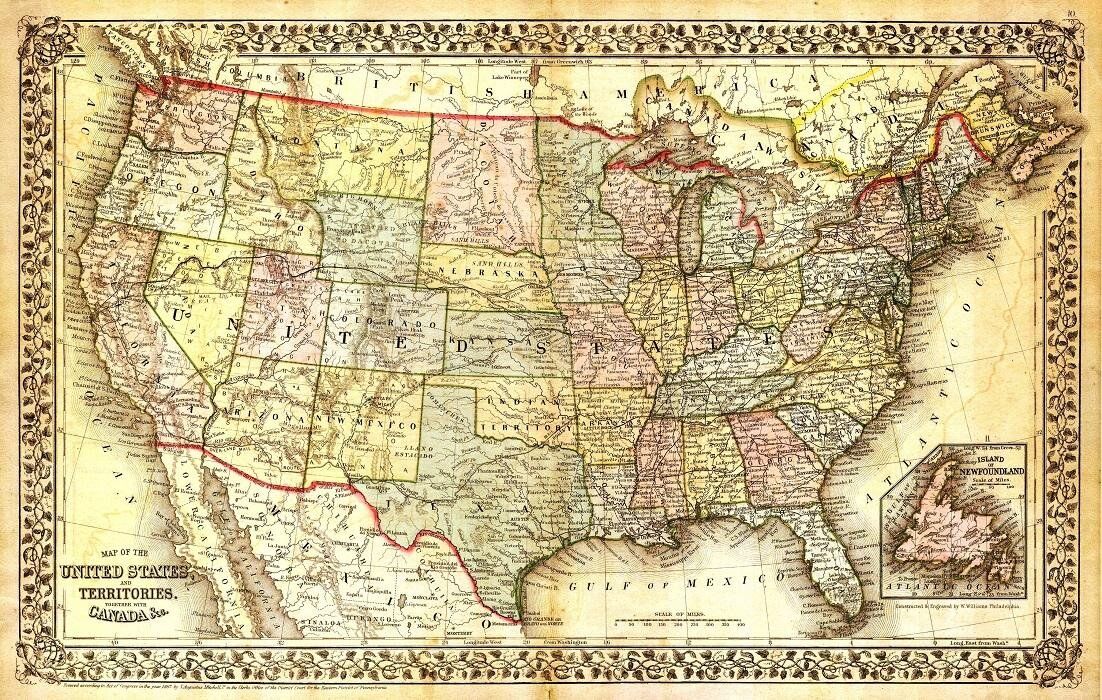
A common mistake people make is believing they must divorce in the state in which they were married. This is simply not the case. When it comes to divorce, you typically file for divorce in the...
Read more

California Self-Employed Divorce Tips
Every divorce comes with its challenges, but if you are self-employed and/or have a self-employed spouse the challenges can become more complex. If you currently own your own business and you are...
Read more

The Best 5 Books to Read If Your Marriage is Struggling
Couples that are working to save their troubled marriage can find any number of resources on how to tackle whatever specific problems they are personally experiencing. In fact, there are so many...
Read more

What to Expect During Your San Diego Divorce Consultation
Divorce brings about a multitude of emotions when confronted with the knowledge that your marriage is ending. It’s perfectly normal for you to be feeling angry, afraid, hurt, anxious, or depressed....
Read more

10 Signs of an Emotionally Abusive Relationship
Believe it or not, it can be very difficult to determine whether a relationship is abusive, especially if you’re in it. The emotional abuser will mask abuse different ways. It’s important to...
Read more

Establishing Paternity in California
Paternity involves legally determining who is the father of a child. This can be established when the father signs a Voluntary Declaration of Paternity or, if that has not been done, by either...
Read more

What You Need to Know about Legal Separation
Many couples consider a marital separation when they are thinking about divorce but aren’t quite sure they are ready to make that big, final decision. Sometimes living apart from one another helps...
Read more

7 Tips to Prepare for Divorce in the New Year
The weeks leading up to the new year can be stressful with the holidays, shopping, hosting parties, and entertaining family. Naturally, people hope for the new year to bring a fresh start and they...
Read more

8 Signs Your Husband Wants a Divorce
Love is blind. Oftentimes, recognizing that your spouse is unhappy in your marriage is not as easy as you'd think. Relationships are complex, and men can be difficult to read, leaving you confused...
Read more

The Three Different Legal Ways to End a Marriage
Updated 6/30/21 The decision to end a marriage is tremendously difficult and while there may be rough times ahead we are here to provide...
Read more

What Happens to Property After Divorce?
PROPERTY AFTER DIVORCE You and your partner have finally settled on a divorce. The papers are filed, and the calm seems to be on the horizon....
Read more

How to Strengthen a Marriage and Avoid Divorce
Divorce can be a long and unruly process that can lead to feelings of loneliness, and no one seems to quite understand what you are going through. It often begins with separation, discussion of...
Read more
View more